In our latest newsletter, we will explore the potential transformation of Google into a paid service in response to challenges posed by artificial intelligence and other market factors. What impacts can we expect and what solutions should we anticipate?

Why Is Google Becoming a Paid Service?
Historical Context of Google
Creation and Founders
Google was founded in 1995 by Larry Page, then 22 years old, and Sergey Brin, who was 21, both doctoral students at Stanford University. Their search engine project began in the garage of a friend in California. Today, Google stands as one of the most influential and highest-valued companies in the world.
Name Evolution
Initialement nommé “BackRub“de sa traduction « massage », il a rapidement nécessité un changement de nom, car il n’avait pas assez d’impact dans l’univers de la technologie. En 1997, il fut renommé “Google“. Ce nom s’inspire du terme “googol”, qui désigne en anglais le nombre 1 suivi de 100 zéros, reflétant ainsi l’ambition de ses créateurs de développer un moteur de recherche capable de gérer une quantité immense d’informations.
Development and Growth
First versions and fundings
Early Versions and Funding Google‘s journey began in 1996 with a $100,000 investment from Andy Bechtolsheim, co-founder of Sun Microsystems. This investment is estimated to have yielded a return of $1.5 billion by 2007. The first user-accessible version of Google went live in 1998.


Technical Innovations
At its launch, Google introduced a high-performance search engine that was freely accessible to the public, designed to handle vast amounts of information through a clean user interface. The goal was to monetize the data collected from advertisers.
Changes with Artificial Intelligence
AI's challenge
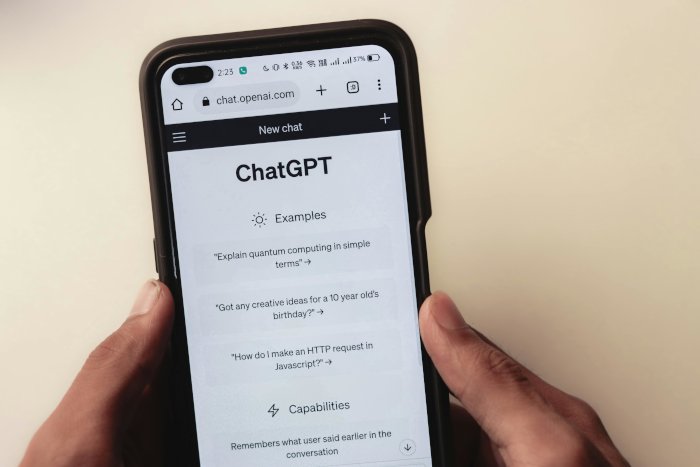
As user behavior on the internet and mobile devices evolves, highlighted by the rollout of ChatGPT in late 2022, Google aims to integrate artificial intelligence to enhance its ability to process requests. This move has led to a decrease in market share, from 90% at the start of 2023 to 81.95% at the beginning of 2024, largely due to the rise of AI.
Impact on User Experience
When a search is initiated on Google, AI now generates text to respond to the query. However, this affects the revenue of businesses since users directly encounter the AI-generated text and might think there is no need to click through to websites.
Towards a Paid Model
Economic Reason
Google is considering a shift to a paid model mainly because of the high costs associated with artificial intelligence. This technology requires more computing power than traditional methods, resulting in significantly higher operational costs. Traditionally dependent on advertising revenue through Google Ads, Google must reevaluate its business model considering that users may favor direct AI responses, which could diminish ad revenue.

Possible Consequences
Google’s transition to a paid model could limit information access for those who cannot afford to pay or are reluctant to do so. This change would particularly affect students, researchers, and educators who rely heavily on free access to information. Consequently, these users might turn to other free search engines. This potential decrease in user numbers or usage frequency could reduce ad views, impacting the revenues of advertisers and Google itself. Moreover, the direct shift to AI-generated content could lessen the need for users to click on search results, further decreasing web traffic and impacting the business revenue of those involved.

How Can Google Maintain Its Advertising Revenue?
In the era of artificial intelligence, Google finds itself at a crossroads, striving to innovate while preserving its revenue streams. What strategies will Google deploy to capitalize on AI, while meeting the changing expectations of users and navigating an ever-evolving digital landscape? Possible approaches include:
Integrated Contextual Ads
Google pourrait introduire des annonces qui sont spécifiquement liées au contexte des requêtes des utilisateurs. Ces annonces seraient intégrées dans les réponses fournies par l’IA de manière fluide et pertinente.
Premium Subscription with Fewer Ads
Google could offer a subscription model where users pay for an experience with few or no ads. This could include various levels of subscriptions, some allowing ad-free access and others offering limited but highly targeted ads.
Partnerships and Sponsored Content
En collaboration avec des entreprises, Google pourrait créer des contenus sponsorisés qui seraient alors intégrés dans les réponses de l’IA. Ces contenus seraient clairement marqués comme étant sponsorisés pour maintenir la transparence.
Dynamic and Personalized Ads
Utiliser des techniques avancées pour créer des publicités dynamiques qui s’adaptent aux intérêts et au comportement de recherche de l’utilisateur, rendant les annonces plus engageantes.
Hybrid Subscription Model
Combiner les abonnements avec les publicités pour offrir aux utilisateurs la possibilité de choisir entre différents niveaux de service, chacun avec un degré différent d’exposition publicitaire selon leurs préférences.
Google Gemini 1.5 Subscription with Flexible Options
Users of Google Gemini 1.5 could have access to premium features, including enhanced AI-driven responses. Google could also offer additional subscription levels that allow access to premium content and ads.
Integration of Ads into Google Gemini 1.5
Même pour les abonnés payants, Google pourrait intégrer des annonces subtiles et pertinentes qui complètent l’information recherchée, ajoutant de la valeur sans être intrusive.

Potential User Impacts If Google Becomes a Paid Service
As Google contemplates a shift to a paid service, this could significantly change how users interact with the world’s premier search engine. Here’s a simplified look at six potential effects this change could have on users, from altered search behaviors to different standards in privacy and data quality.

Restricted Google Access
Si Google introduit un modèle d’abonnement pour accéder à son moteur de recherche, cela pourrait limiter l’accès aux informations pour ceux qui ne peuvent pas ou ne veulent pas payer. Cela pourrait créer une fracture numérique où seuls ceux avec les moyens financiers adéquats ont accès aux meilleures informations et fonctionnalités.
Altered Search Habits
With Google potentially charging for use, users may seek out free or cheaper alternatives for their search needs, decreasing dependence on Google and diversifying how they browse the internet.


Enhanced User Experience
Pour justifier le coût d’un abonnement, Google pourrait offrir une expérience utilisateur améliorée, sans publicité et avec des fonctionnalités avancées basées sur l’IA, ce qui pourrait rendre les recherches plus efficaces et personnalisées.
Privacy and Data Impacts
En devenant payant, Google pourrait donc également modifier sa politique de gestion des données utilisateurs. Cela pourrait soit améliorer la confidentialité en réduisant la nécessité de monétiser les données par la publicité, soit susciter des inquiétudes si Google utilisait à la fois l’abonnement et les données utilisateurs pour maximiser ses profits…
Improved Information Quality
A paid model could lead Google to provide higher quality and more reliable search results, free from the pressure to drive ad-based clicks.
Market and Competition Reactions
La décision de Google de devenir payant pourrait encourager la concurrence, menant à une innovation accrue dans le domaine des moteurs de recherche et potentiellement à l’émergence de nouveaux acteurs offrant des modèles alternatifs.
User Alternatives to a Paid Google
If Google starts charging, users may look for other free search options. Bing, with its AI features like GPT-4, could see a rise in popularity, while DuckDuckGo would attract privacy-conscious users, and Ecosia might appeal to the environmentally aware. Brave Search offers privacy-respecting, structured responses. These alternatives differ in privacy, personalization, and focus, meeting diverse user needs and preferences.
Quality Content on Websites
Creating high-quality content is essential for SEO success. Well-optimized content for both short and long-tail queries and relevant keywords can effectively boost search engine rankings for free, which is vital for attracting organic traffic without solely relying on paid traffic (SEA).
SEO Universality
Good SEO on Google usually benefits other search engines like Bing and DuckDuckGo. Effective SEO practices can increase visibility across multiple platforms at no extra cost.
Keyword Importance and User Research
Focusing on specific, especially less competitive, keywords can drive qualified traffic. This includes optimizing for long-tail keywords, which tend to be overlooked by competitors and attract a more dedicated audience.

Reducing SEA Dependency
En mettant l’accent sur le SEO, les sites web peuvent réduire leur dépendance au Search Engine Advertising (SEA), ce qui est particulièrement important si les coûts des annonces augmentent ou si le budget marketing est limité. Investir dans le SEO aide à diversifier les sources de trafic. En plus des moteurs de recherche, elle améliore la visibilité sur d’autres canaux numériques tels que les réseaux sociaux, les blogs, et les forums….
Content Creation Strategy
A strong SEO strategy ensures long-term visibility in search results. Unlike SEA (Search Engine Advertising) campaigns, which require continuous investment, a solid SEO strategy can keep attracting traffic long after the initial efforts are done. It’s essential for any business to focus on its keywords and produce content that improves its search engine rankings.
Sowebio sets up an annual editorial calendar to optimize your website’s positioning and SEO. This calendar is designed each year to strategically schedule the publication of relevant and engaging content. It maintains thematic consistency and boosts SEO by targeting specific keywords, while meeting the needs and addressing the questions of the target audience. This organized approach keeps your site’s momentum going and makes it more appealing to search engines, leading to better rankings.
With the possibility of Google becoming a paid service, it’s crucial for communication agencies and web developers to prepare for these changes and enhance their SEO skills. This is vital to maintain sustainable and profitable visibility across all search engines, especially in a digital environment where costs could increase and the competition for organic traffic may grow fiercer.
For an appointment to discuss the editorial notebook
Pour une formation sur l’intelligence artificielle
Editorial Calendar
Anticipate your thematics in 2024!
Editorial Calendar
An editorial calendar is a tool that helps you visualize and plan the publishing schedule of your content.