Expertise in design creation and printing on Oléron!
Web vs. Print Color Modes
Did you know there are several types of color modes? These are processes used to reproduce a wide range of color shades. The most common are CMYK for print and RGB, more commonly used for the web and screens in general.
Design Creation and Printing with Sowebio
Printing Oléron
CMYK for Print
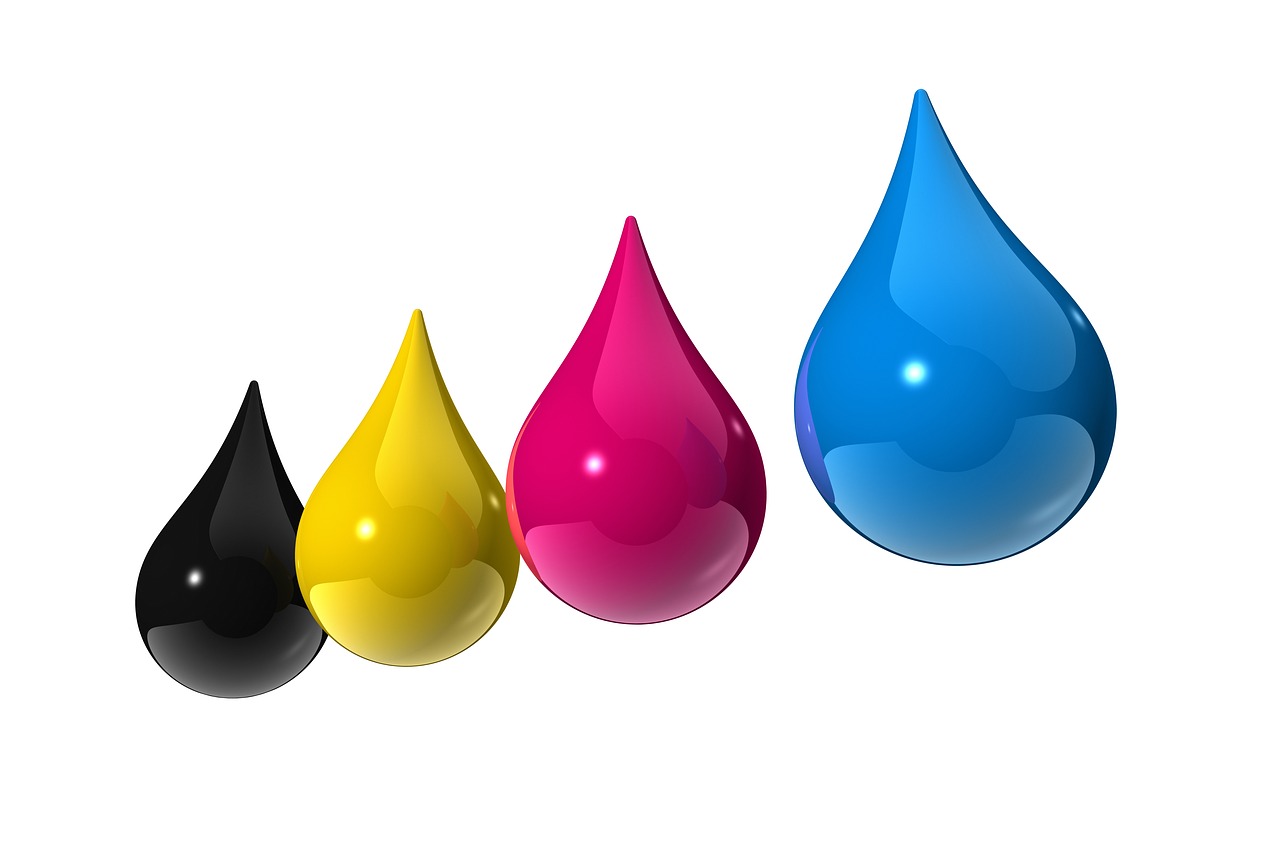
CMYK stands for Cyan, Magenta, Yellow, and Black. This “abbreviation” represents the so-called basic ink colors. This process is called four-color printing because it uses four ink colors. Printers, for example, have CMYK ink cartridges.
Four-color printing is the color mode typically used in offset and digital printing (business cards, flyers, commercial brochures, etc.). CMYK works using subtractive color mixing: each primary color—cyan, magenta, and yellow—absorbs light. So, the more of these colors you use, the darker the result will be.
RGB for the Web
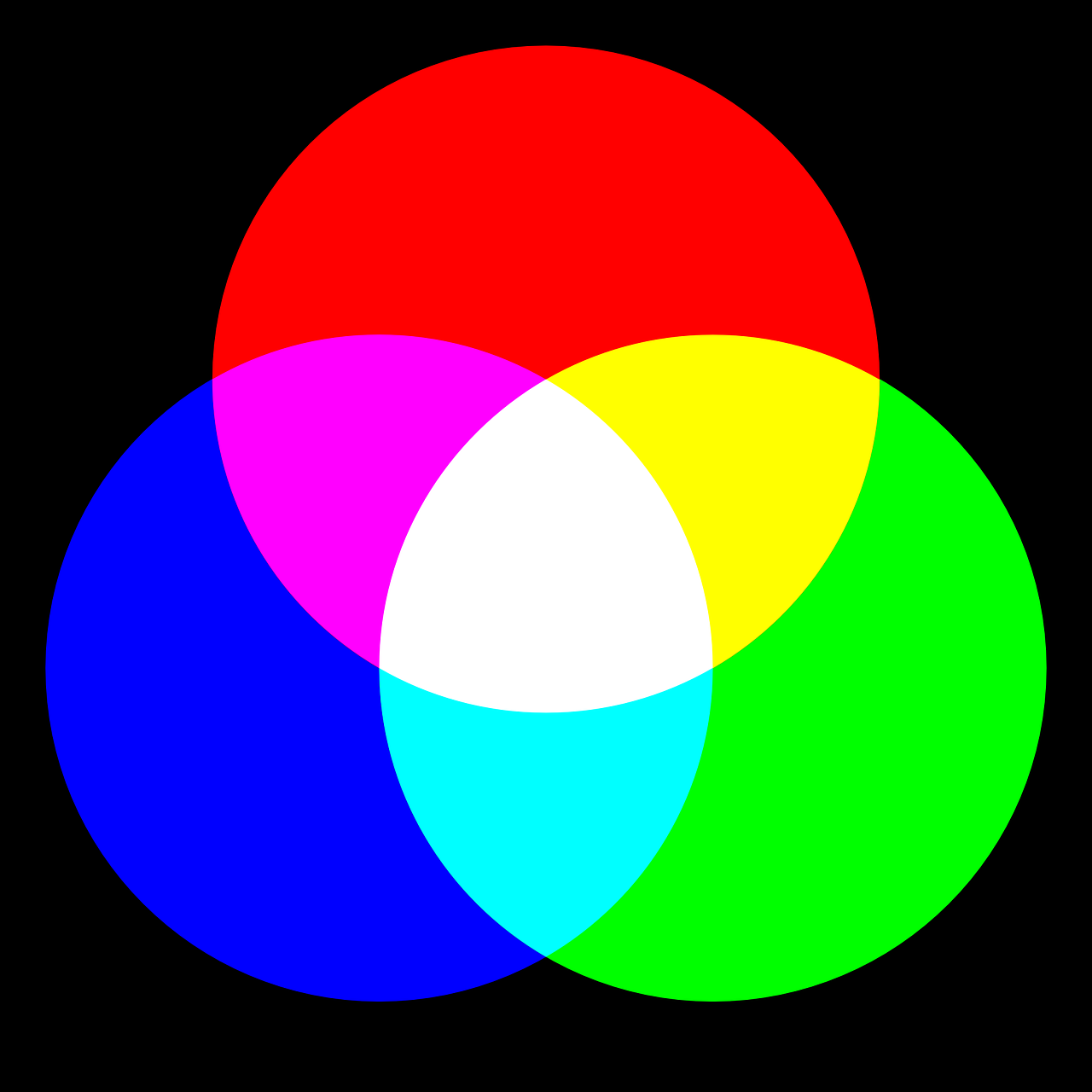
RGB stands for Red, Green, Blue. Computer screens recreate color using these three primary colors, forming a mosaic on the screen that is too small to be seen with the naked eye. RGB encoding assigns a value to each of these primary colors.
Unlike a sheet of paper, screens don’t reflect light—they emit it. Each pixel on your screen is made up of three light points: red, green, and blue. To create different colors, the intensity of these light points is adjusted from 0 to 255.
If the three colors—Red, Green, and Blue—are set to 0, you get a black screen (0 meaning no light). But if all three are set to 255 (maximum brightness), you get white. This is known as additive color mixing.
Differences in Printing
CMYK can reproduce a large number of colors, but it’s more difficult for it to match certain bright, vivid colors. You’ll see this clearly with metallic colors (silver, gold, etc.) or fluorescent tones.
Even when the print result looks good, some colors can appear less intense between their RGB on-screen version and their CMYK printed version, because RGB is designed only for screens. As mentioned above, it works in the opposite way of paper (or any printed medium): the screen emits light, while on paper, CMYK ink absorbs/holds color.
In addition, RGB can produce many more color variations than CMYK. As a result, some colors simply cannot be reproduced on a printed medium.
For Web: Think RGB
RGB is intended only for screens and the web. So if your file is meant to stay on a screen, you can absolutely keep it in RGB. However, if you print an RGB file, the result will look very different from what you see on screen. But there are solutions! To avoid these issues, image editing and retouching software allows you to work directly in CMYK, the reference color mode for printed materials.
For Print: Think CMYK
As explained above, we recommend creating your print file in CMYK—or converting it after creating your vector design.
As explained above, we recommend creating your print file in CMYK—or converting it after creating your vector design.
Sowebio communications agency uses these methods for printing all your marketing materials: flyer printing, restaurant menus, business cards, product sheets, and translation inserts…
Printing Oléron Flyers
Printing Oléron leaflets
Book an Appointment to Discuss Your Project
Don't miss any digital news and Sowebio's projects !
Get our latest updates, tips, and inspiration to boost your online presence — delivered straight to your inbox.
Ce site utilise seulement des cookies nécessaires à son fonctionnement, afin de vous garantir la meilleure expérience de navigation. En poursuivant votre navigation, vous acceptez leur utilisation.OkPolitique de confidentialité